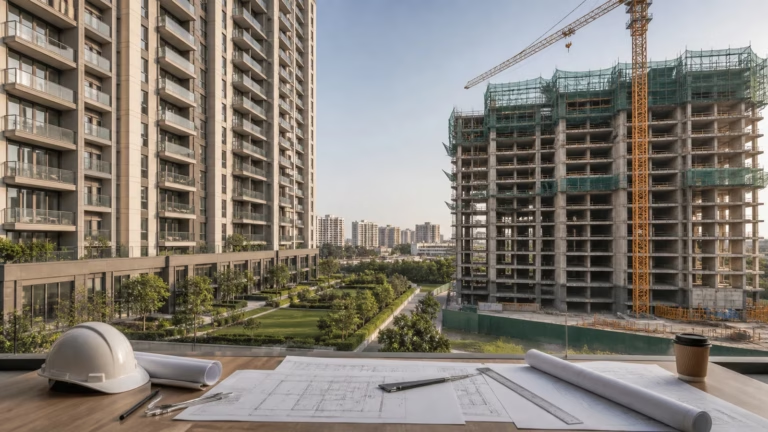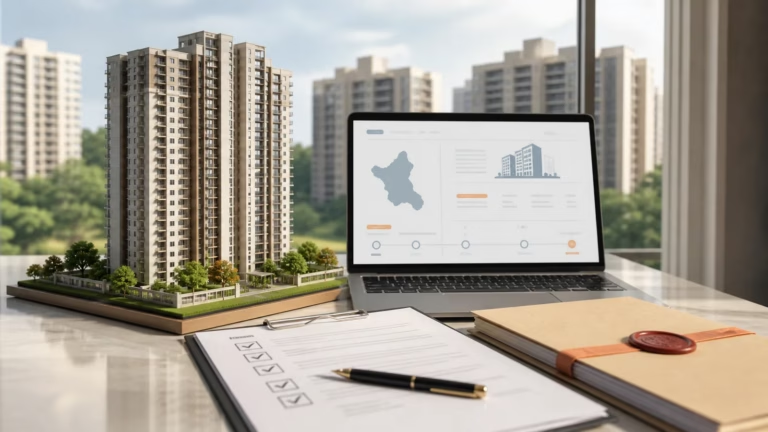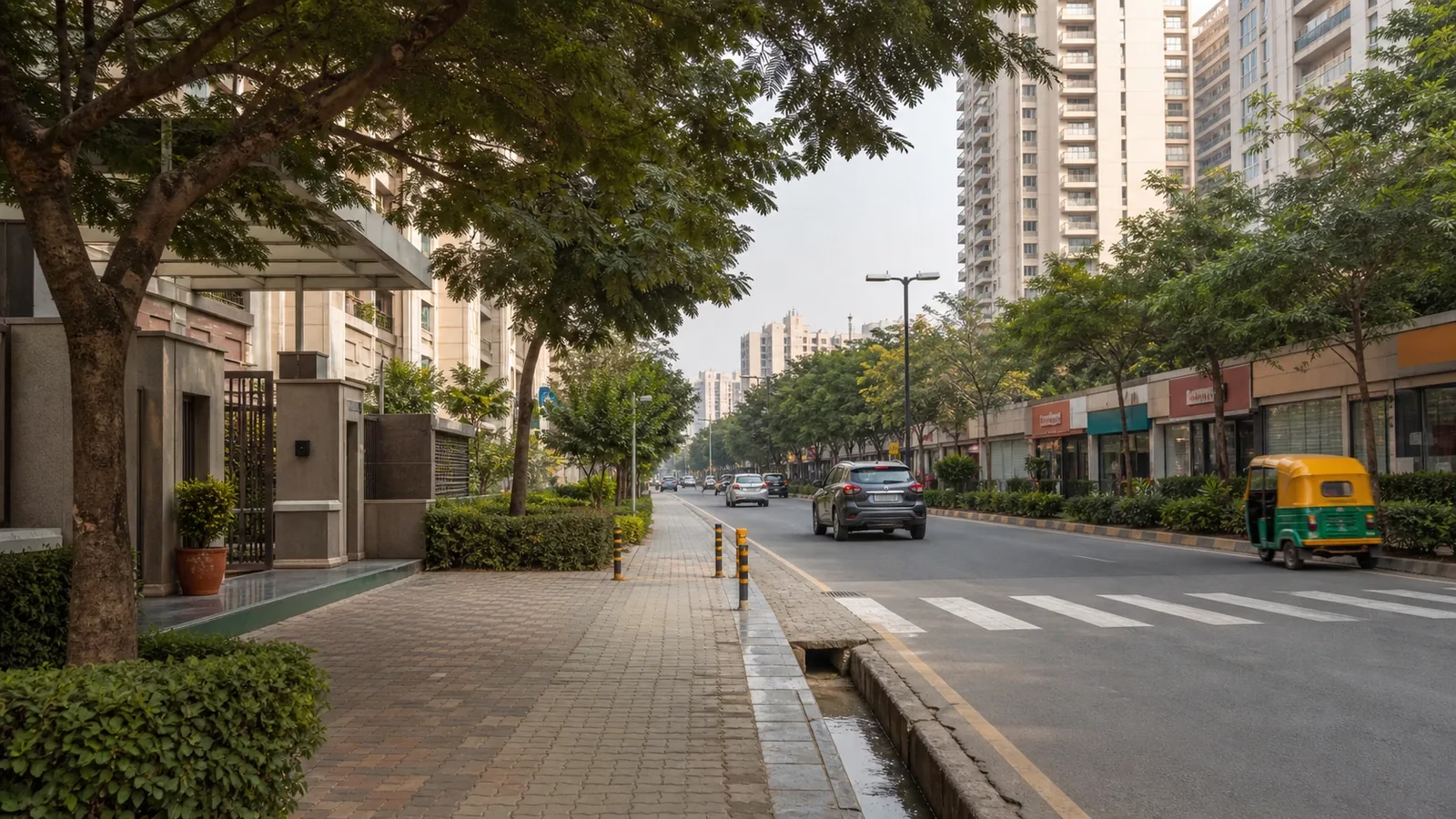
A site visit should test a property, not merely tour it. The most useful hour is structured around evidence you cannot obtain from a brochure: last-mile access, noise, drainage, walking conditions and the relationship between the project and surrounding land.
Before arrival: prepare a blank map
Mark the project gate, proposed unit orientation, two approach routes, nearest daily retail, hospital, school or office destination and nearby open parcels. Do not begin with the developer’s travel-time claims.
Download the relevant project and planning information in advance so you can compare documents with what exists on the ground.
Minutes 0–10: test the arrival
Approach from the direction you will use most often. Observe legal turns, bottlenecks, road width, surface condition, service lanes and security queues. Check whether navigation directs you through temporary or private roads.
Ask how a cab, school bus, delivery rider, visitor and emergency vehicle would enter and leave.
Minutes 10–20: walk the perimeter
Walk outside the boundary where safe. Note drains, low points, waste storage, vacant plots, utility structures, high-tension infrastructure, traffic noise and construction access.
Look back at the towers to understand unit orientation and possible view changes. An empty parcel should be treated as unknown until its sanctioned use is checked.
Minutes 20–30: inspect the everyday radius
Walk or drive the distance you would genuinely tolerate for groceries, pharmacy, transport and a safe evening route. “Nearby” is less useful than the quality of the connection.
Check footpaths, crossings, shade, street lighting and whether parked vehicles block movement. For families, test the practical school-bus stop rather than only school distance.
Minutes 30–40: pause and listen
Stand near the project edge and, if possible, inside the shortlisted unit with the sales conversation paused. Listen for road, aircraft, construction, generator, event-lawn and mechanical noise.
Open windows. Check smell, dust and privacy. A short quiet inspection often reveals more than a long guided presentation.
Minutes 40–50: inspect resilience
Look at basement ramps, drain inlets, kerb levels and signs of previous water entry. Ask for the drainage and water arrangements in writing. If the property is a serious contender, revisit during or shortly after rain.
Also note backup-power location, water treatment, sewage treatment and solid-waste movement. Their distance from the unit can affect sound and odour.
Minutes 50–60: document discrepancies
Before leaving, compare what you saw with the plan, listing and cost sheet. Record unanswered questions and photograph only where permitted.
Useful follow-ups include:
- Who owns or maintains the final approach road?
- What is sanctioned on the adjoining parcel?
- Which document covers current occupation?
- Are utilities permanent or temporary?
- Which facilities are shared with future phases?
- What changed between the brochure and the delivered site?
Repeat at different times
One visit is a sample, not a conclusion. Return during weekday peak, after dark and—where feasible—after rain. For an investment purchase, visit when prospective tenants would commute.
Use official maps as a cross-check
GMDA and state planning resources can help identify infrastructure and land-use context. Haryana RERA provides project disclosures. PARIVESH can be relevant when environmental-clearance records apply. Haryana’s land-record and registration resources help a professional title review.
No map replaces the site, and no site replaces the documents. The strongest decision emerges when both tell a consistent story.
This article is general information. Do not enter unsafe areas or rely on it as a technical, legal or environmental assessment.